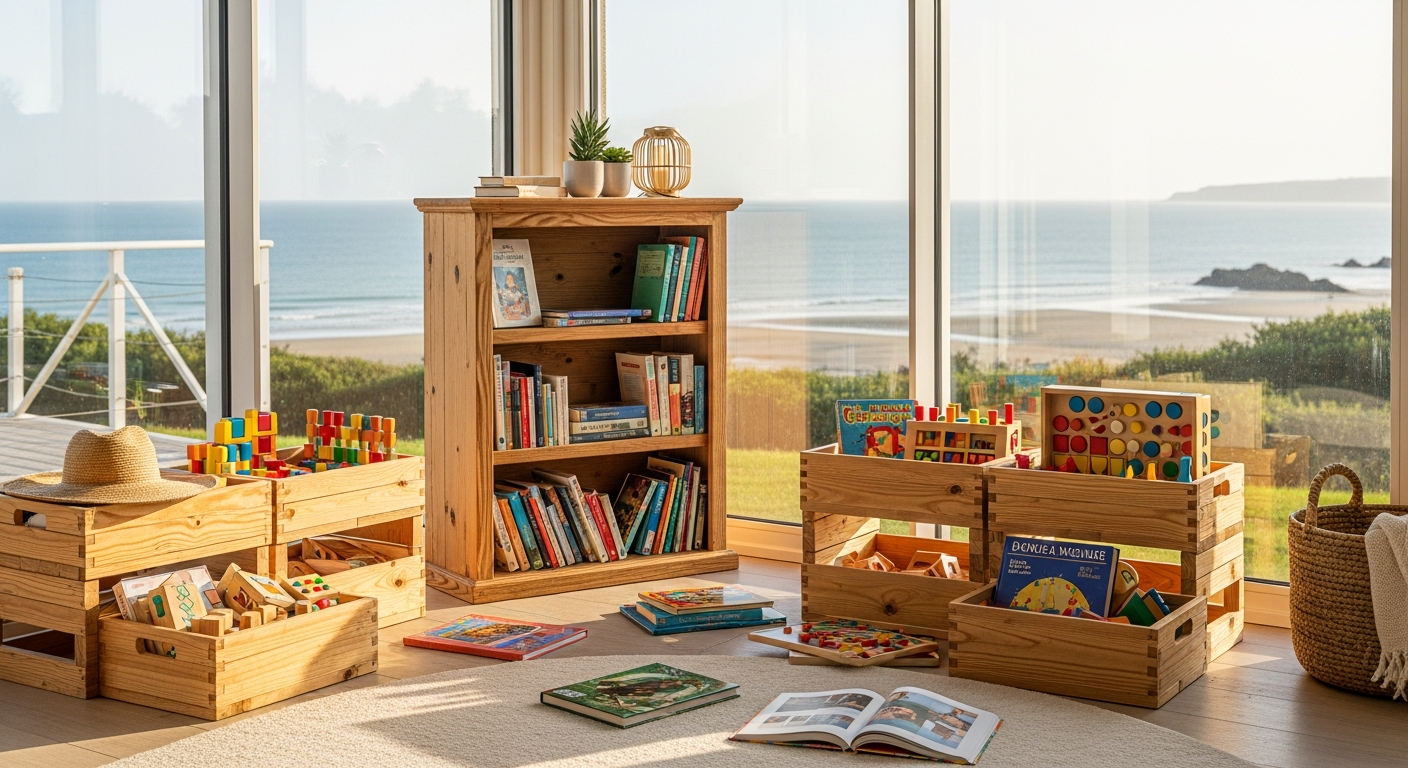
Plage, montagne ou city-break : avec une nounou en vacances, vous profitez pleinement du séjour pendant que les enfants vivent des journées rythmées, sûres et adaptées à leur âge. Voici un guide clair pour choisir le bon profil, organiser les journées, cadrer la sécurité et budgéter la garde d’enfants pendant les vacances sans stress.
Quand faire appel à une nounou en vacances ?
Situations types : hôtel/club avec temps adultes, location familiale à gérer, déplacement professionnel, voyage à l’étranger, visite chez les grands-parents. Une nounou dédiée fluidifie tout : repas, siestes, activités, micro-temps calmes pour éviter la surstimulation.
Note pratique : identifiez d’abord les “moments critiques” (arrivées/départs, couchers, trajets) : c’est là que l’appui d’une nounou crée le plus de valeur.
Choisir le bon profil (âge, besoins, langues)
Compétences par tranche d’âge
- 0–3 ans : change, biberons, sommeil, repérage des signes de fatigue.
- 3–6 ans : jeux calmes, motricité douce, transitions (sieste → activité).
- 7–10 ans : activités créatives/sportives, règles simples de sécurité.
- 11+ : autonomie guidée, temps d’écran cadré, activités “grands”.
Ratio indicatif enfants/nounou : 1/2–3 (0–3 ans), 1/4–5 (3–6 ans), 1/6–8 (7–10 ans). Ajustez selon lieux, trajets et baignades.
Conseil terrain : un binôme “petits/grands” évite de diluer l’attention au moment des siestes et des bains.
Organisation selon le type de séjour
Hôtel ou club
- Coordination avec le kids club : horaires, transferts, points de rendez-vous.
- Espace calme pour siestes (chambre/coin lecture), gestion des repas enfant.
- Règles piscine/mer : surveillance continue, gilet, zones autorisées.
Location/maison
- Routines (réveil, sieste, coucher) et rituels dodo/lecture.
- Coins dédiés : jeux, lecture, arts créatifs, extérieur balisé.
- Courses & repas : menus simples validés avec les parents.
À l’étranger
- Papiers (autorisations parentales si nécessaire), assurance, contacts d’urgence.
- Trousse santé (thermomètre, pansements, solution antiseptique, ordonnance si besoin).
- Langues : bases utiles (bonjour, merci, secours) si activités locales.
Astuce utile : préparez un mini-brief multilingue (allergies, consignes) si le séjour implique des tiers (animateurs, bateaux, etc.).
Planning type d’une journée (exemple modulable)
| Heure | Activité | Objectif | Notes sécurité |
|---|---|---|---|
| 08:00 | Réveil & petit-déj | Hydratation, énergie | Allergies, coupe des aliments |
| 09:30 | Sortie douce (plage/parc) | Motricité, air frais | Crème solaire, casquette, eau |
| 12:00 | Déjeuner | Calme, routine | Lavage des mains, températures |
| 13:00 | Sieste/temps calme | Récupération | Pièce ventilée, veilleuse |
| 15:30 | Atelier créatif/lecture | Concentration | Matériel non coupant, non toxique |
| 17:00 | Goûter & jeux calmes | Énergie stable | Hydratation |
| 19:30 | Dîner & rituel dodo | Apaisement | Pas d’écrans, lumière douce |
Bon réflexe : prévoir un “micro-planning” ajusté chaque matin selon météo et forme des enfants.
Idées d’activités par âge et contexte
- 0–3 ans : bac sensoriel (gros éléments), livres en tissu, comptines, jeux d’eau contrôlés.
- 3–6 ans : chasses aux formes/couleurs, pâte à modeler, mini-jardinage, cabanes.
- 7–10 ans : mini-olympiades, bricolage nature, carnet de voyage, jeux de société rapides.
- 11+ : photo-reportage du séjour, géocaching, cuisine simple, quiz culture locale.
À éviter : confettis fins, ballons non lestés et petits objets (risque d’étouffement/glissade).
Sécurité, santé & cadre légal
- Autorisation parentale (sorties, photos, baignade), allergies listées, médicaments explicitement encadrés.
- Assurance responsabilité civile professionnelle (attestation valide).
- PSC1 recommandé, trousse de premiers secours et numéros utiles.
- Transports : sièges auto conformes, marche à pied privilégiée quand possible.
- Eau/soleil : baignade toujours à vue, protection UV, créneaux hors pics.
Balisez les zones (ruban/plots) et appliquez la règle : “à portée de voix, à portée de vue”.
Tarifs & budget indicatif (France)
Les coûts varient selon la région, l’expérience, la période (haute saison), les langues et les horaires. Fourchettes indicatives pour se repérer :
| Prestation | Fourchette | Commentaires |
|---|---|---|
| Nounou à l’heure (indépendante) | 18–30 € / h | Routines, sorties proches, siestes |
| Nounou via agence/équipe | 25–45 € / h | Coordination, remplaçante, assurance |
| Nuitée (surveillance) | 50–90 € | Selon nombre d’enfants et réveils |
| Accompagnement voyage (jour) | 120–200 € | Hors frais (transport, repas, hébergement) |
| Majoration haute saison/jours fériés | +10–30 % | À confirmer selon lieu & période |
Pour un chiffrage précis selon votre destination et vos horaires, consultez ce guide détaillé sur la garde d’enfants pendant les vacances (profils, coordination et assurances).
Checklist prête à imprimer
- Liste enfants/âges/allergies + contacts parents.
- Autorisations (sorties, baignade, photos), copie carte d’identité si besoin.
- Trousse santé (thermomètre, pansements, ordonnance), crème solaire, chapeaux.
- Babyphone/veilleuse, doudous, pyjamas, vêtements de rechange.
- Snacks/eau réutilisable, serviettes, sacs étanches.
- Plan des lieux, points de rendez-vous, horaires repas/sieste.
Astuce : ajoutez un QR code vers le contact de la nounou référente et la fiche allergies.
Communication & attentes : la mini-charte
- Brief quotidien (10 minutes) : météo, énergie des enfants, sorties prévues.
- Canal unique (message/carnet) pour photos et infos clés.
- Règles claires sur écrans, achats, interactions avec inconnus.
- Plan B pluie/canicule : activités indoor, horaires décalés.
De manière générale, cette “mini-charte” évite la majorité des malentendus pendant le séjour.
FAQ rapide
La nounou peut-elle accompagner en excursion ? Oui si l’itinéraire et les assurances sont validés et adaptés à l’âge des enfants.
Peut-on gérer les couchers sur place ? Oui, en séparant un coin dodo calme, avec veilleuse et routine apaisante.
Combien de nounous prévoir ? Adaptez au ratio par âge et ajoutez un renfort si baignades ou trajets fréquents.
Quid des langues ? Pour l’étranger, privilégiez un profil bilingue ou des bases utiles selon la destination.
Leave a Comment